Many kids have sensitivities to certain foods, and the majority are not severe. Celiac disease, however, is a serious condition caused by a permanent intolerance for gluten–a protein found in wheat, rye, and barley.
Notice: Prevented SiteOrigin layout from repeated rendering. in /home/rockybbf/giki.opusbywire.com/wp-content/plugins/siteorigin-panels/inc/renderer.php on line 668
What is Pediatric Celiac Disease?
If your child has celiac disease, consuming gluten will cause damage to finger-like projections, called villi, in the lining of your child’s small intestines.
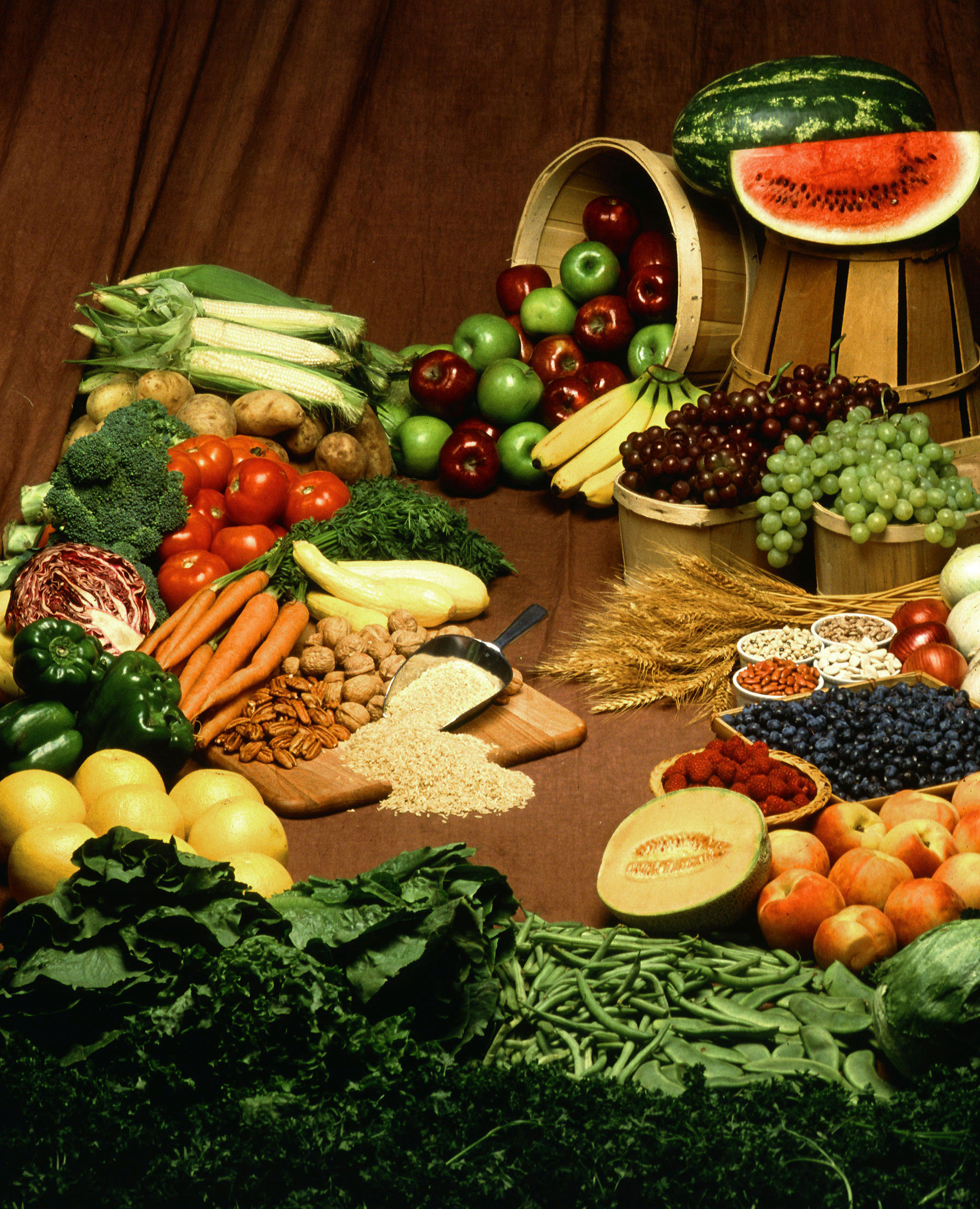
Celiac disease is a life-long condition, but it is manageable through permanent modifications to the diet. Simply put, anyone with celiac disease must adhere to a gluten free diet. While this may seem daunting at first–especially for kids–you’ll find that many nutritious, tasty foods fit into this diet (including fruits and vegetables, eggs, meat, poultry–and even soft drinks and ice cream!) For more information and ideas, see our Gluten-Free Diet Guide.
Quick Facts on Celiac Disease
- Approximately 40,000 Americans have been diagnosed with celiac disease.
- Celiac disease is an autoimmune disease, meaning it causes a person’s immune system to attack the body.
- Symptoms of celiac disease can appear at any age after gluten is introduced into the diet.
- Patients with celiac disease must follow a lifelong gluten free diet
Children are at higher risk for celiac disease if they have:
- Type 1 diabetes
- Autoimmune thyroid disease
- Dermatitis herpetiformis
- Down syndrome
- Turner syndrome
- Williams syndrome
- A relative with celiac disease
Does my child have Celiac Disease?
A child can begin to show symptoms of celiac disease any time after they begin to eat foods with gluten. Symptoms vary from child to child, with some children showing no symptoms at all.
By the time a child develops symptoms, some damage to the small intestine has already occurred. Therefore, if you think your child may have celiac disease, contact your pediatrician immediately.
What are the Symptoms of Pediatric Celiac Disease?
- Chronic diarrhea or (more rarely) constipation
- Vomiting
- Bloating and gas
- Irritability
- Decreased appetite and/or poor weight gain
- Growth and pubertal delay
- Iron deficiency anemia
- Fatigue
- Fractures or thin bones
- Decreased muscle mass in the limbs
- Damage to tooth enamel or failure of enamel formation
- A chronic itchy rash called dermatitis herpetiformis
If your child is experiencing these symptoms, discuss them with your family doctor or find a pediatric gastroenterologist near you.
How Is Pediatric Celiac Disease Diagnosed?
If your pediatrician suspects that your child has celiac disease, there are a few tests he or she can do to confirm. Most likely they will start by having the child’s blood tested. Two tests–the anti-tissue transglutaminase antibody (tTG) and the anti-endomysial antibody (EMA) tests are highly accurate and reliable in determining the likelihood of celiac disease.
However, to confirm a celiac disease diagnosis, the pediatrician must obtain a tissue sample from the child’s small intestine and inspect for certain changes to the villi. The pediatrician will use a procedure called an endoscopy with biopsy to collect the tissue sample. During this procedure, a flexible tube-like instrument is placed through the mouth, down the throat, past the stomach and into the small intestine to obtain small tissue samples.
If your child is diagnosed with celiac disease, he or she will need to be put on a gluten-free diet to avoid any further damage to the small intestine.
How do I manage Pediatric Celiac Disease?
If your child has been diagnosed with celiac disease, here’s the good news: it’s a highly manageable condition. Once gluten is removed from your child’s diet, you can expect to see improvement in as soon as one or two weeks.
Within six to 12 months on the gluten free diet, the lining of the intestine will have healed and your child’s growth and bone strength will return to normal.
Still, your child won’t be “cured,” and he or she will have to adhere to a gluten free diet for life. This means that foods like bread, cereal, cakes, pizza, and anything containing wheat, barley, or rye are off-limits.
At first, the diet for celiac disease patients can seem highly restrictive and difficult to follow. But once you become familiar with the wide (and growing) variety of foods without gluten, you and your family should be able to manage it well. You may find it helpful to consult a dietician or find a support group as you transition your child to a gluten-free diet. They can provide you with tips, advice, and even recipes suitable for celiac patients.
Be sure to follow-up regularly with your child’s health care team to ensure that he or she is healthy and thriving. And keep in mind these six key elements on managing celiac disease*:
- Consultation with a skilled dietitian
- Education about the disease
- Lifelong adherence to a gluten-free diet
- Identification and treatment of nutritional deficiencies
- Access to an advocacy group
- Continuous long-term follow-up by a multidisciplinary team
*These elements are recommended by the NIH Consensus Development Conference on the management of individuals affected by celiac disease.
What is the Gluten-Free Diet?
If your child has been diagnosed with Celiac Disease, the challenges of a gluten-free diet can seem overwhelming at first. But there’s still plenty to eat and more options are available all the time. Download the GI Kids Gluten Free Diet Guide to learn more about starting a managing a gluten free diet for your child.
What is Gluten?
Gluten is the general name for one of the proteins found in wheat, rye, and barley. It is the substance in flour that forms the structure of dough, the “glue” that holds the product together and is also the leavening ingredient. When these proteins are present in the diet of someone with CD, they become toxic and cause damage to the intestine. This damage leads to decreased absorption of essential nutrients and, if left untreated, can lead to nutrient deficiency and subsequent disease (i.e. iron deficiency anemia, decreased bone density, unintentional weight loss, folate and vitamin B12 deficiency).
Where is Gluten found?
Food/grains
The grains containing gluten include wheat, rye, barley, and all their derivatives (see Table 1 for a listing of grains to be avoided). These grains are used in such items as breads, cereals, pasta, pizza, cakes, pies, and cookies and as added ingredients to many processed food items.
What about Oats?
Many recent studies indicate that the protein found in oats may not be harmful to most people with celiac disease. However, there is concern that the oats may be contaminated with wheat during the milling and processing. Please consult your physician or dietitian before adding oats to your child’s diet.
Life Goes On!
Can we eat away from home if my child has Pediatric Celiac Disease?
A diagnosis of CD does not mean never eating at a restaurant again. Do not stay home for fear of making a mistake on the gluten-free diet. Dining out is a big part of our way of life and, with a little effort and planning, can continue to be enjoyed.
- Before leaving home, do some homework. Most restaurants have a website that can easily be found through an Internet search engine. Review the menu online to see if there is enough selection for you. Some restaurants have GF menus or a list of common food allergens utilized in making their foods.
- Call ahead and talk to the manager or the chef and ask about specially prepared items that are GF.
- Try to make your first visit to a restaurant before peak dining times.
- Always identify yourself as someone who cannot eat wheat, rye or barley. Food items that you would never guess have flour in them, often do. (One large popular pancake house adds pancake batter to their omelets.) Salads may not have croutons, but may arrive at your table with a bread stick across the top.
- Don’t be afraid to ask how the food is prepared. Meats may be marinated in soy sauce. French fries may be made in the same fryer as other breaded products. Hamburgers and hamburger buns may be grilled in the same area. All these methods can lead to gluten contamination.
- Be pleasant and informative, but not demanding.
- Bring your own GF bread or crackers.
Is Gluten the cause of all GI Problems?
On a strict GF diet, gastrointestinal symptoms will begin to improve in a few weeks and will completely resolve after 6 to 12 months. After healing has occurred and antibody levels have returned to normal, symptoms may not be a reliable way to determine whether or not you have taken in gluten.
You can eat gluten-containing foods and may not have symptoms and, conversely, you can have symptoms without ingesting gluten. The following items may cause GI problems that are not gluten related.
- Acidic foods. Vinegars, tomato products, and citrus juices can cause reflux symptoms.
- Sorbitol. It is found in medication and dietetic candy. As a non-digestible sugar, sorbitol can cause bloating, gas, cramping, and diarrhea.
- Guar gums. These gums are used in gluten-free products and may cause gas, bloating, and abdominal pain.
- Lactose. Before the intestine has healed completely, the lactase enzyme may be deficient. Lactase is needed to break down the sugar in milk called lactose.
- Undigested lactose can lead to increased gas, bloating, abdominal pain, and diarrhea.
- Food allergens. In a recent survey of the Celiac Sprue Association, over half of the members reported having additional food intolerances to foods such as milk, soy, nuts, yeast, eggs, corn, and fructose.
- Flax. Flax can increase the number of bowel movements.
Are all Gluten-Free Foods healthy?
Today there are many specialty companies that produce good gluten-free products. Although they taste wonderful, the ingredients used may not be a healthy alternative. Good nutrition is also important as you select foods in your diet.
Downloadable Gluten-Free Diet Guide for Families
What is it like to live with Celiac Disease?
Although celiac disease is a manageable condition, it is a chronic disease, and patients need to adjust their lifestyle significantly and permanently if they are to remain healthy.
The practical implications of celiac disease can have a social and emotional impact not only on the patient, but on the entire family.
Faced with a long list of foods they cannot consume, celiac patients and their families can sometimes become isolated, fearing or avoiding events, parties, restaurants and outings involving meals or food. Our gluten free diet guide (available in English, Spanish, and French) can assist you in adhering to a gluten free diet.
If your child or your family is having trouble coping with celiac disease, your dietitian or doctor may be able to provide advice. You may wish to ask if they can refer you to any celiac disease support groups. And don’t be afraid to seek counseling. It can be very helpful in dealing with anxiety, depression or emotional stress related to celiac disease.
What should I know about Pediatric Celiac Disease and COVID-19?
Celiac disease is not considered to be an immunocompromised state in children, and in itself is not known to be a risk factor for severe disease. Like everyone, children with celiac disease should exercise careful infection control practices, including washing hands with soap and water frequently and for at least 20 seconds, and avoid touching their eyes, nose and mouth.
Patients with other medical conditions should refer to their provider for further disease specific guidance and to information provided by local health authorities.
Where can families find support after a Pediatric Celiac Disease diagnosis?
There are many organizations that provide resources and support after a diagnosis of pediatric celiac disease. The list below is not exhaustive but provides a good place to start.
Contributors: Pamela Cureton, RDN, LDN (May 2020)