
Alpha-1 Antitrypsin Deficiency
Alpha-1 antitrypsin (AAT) deficiency is an inherited (genetic) disease. In patients with the disease, their liver does not release enough AAT protein…

Alpha-1 antitrypsin (AAT) deficiency is an inherited (genetic) disease. In patients with the disease, their liver does not release enough AAT protein…

Autoimmune hepatitis occurs when the body’s immune system attacks the liver.

Biliary Atresia (BA) is an inflammatory process of unknown cause that affects the bile ducts–the tubes that carry digestive juices from the…

Cystic fibrosis can cause a variety of problems that impact the health of a child’s lungs and a child’s ability to gain…

When a patient develops liver disease due to cystic fibrosis, clinicians use the term cystic-fibrosis related liver disease.

Gallstones are small, stone-like objects that form when the liquid in the gallbladder hardens.

Gilbert’s syndrome is a genetic condition in which the liver is slow to clear bilirubin from the body.
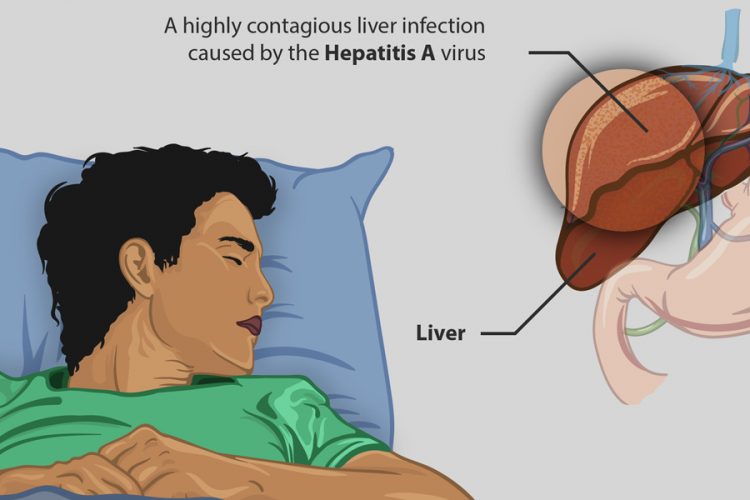
Hepatitis A is caused by a virus typically caught by close contact with an infected person. Over 6,000 cases per year are…

Hepatitis B is a virus that can infect humans and cause disease. It is spread through contact with blood or bodily fluids.

Hepatitis C is a virus that can infect humans and cause disease. It is spread through contact with infected blood. Hepatitis C…

Metabolic dysfunction-associated steatotic liver disease (MASLD) or simply “steatotic liver disease” is a problem caused when too much fat stays in the liver.

Neonatal cholestasis is a condition in infants where bile flow from the liver is disrupted. Bile is a dark-green to yellowish-brown fluid…