Inflammatory Bowel Disease (IBD)
Inflammatory Bowel Disease (IBD) is a chronic inflammatory disorder of the intestines that does not have an identifiable cause (such as infection).…

Inflammatory Bowel Disease (IBD) is a chronic inflammatory disorder of the intestines that does not have an identifiable cause (such as infection).…

Intussusception is when one section of the intestines slides into another section of the intestines, like a handheld telescope folding into itself.

Lactose intolerance is a fairly common condition. Although it can occur at any age, lactose intolerance typically starts in school age children…

Irritation or ulcer of the lining of the lower GI tract can cause lower GI bleeding.

Irritable Bowel Disease (IBD) information and resources
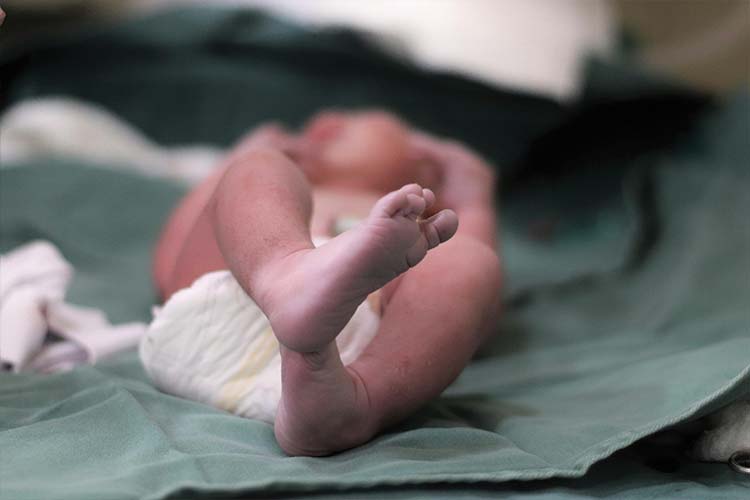
Necrotizing enterocolitis, also referred to as NEC, is a serious gastrointestinal condition primarily affecting infants that involves inflammation and sometimes infection of…

Omphalocele is a defect or hole that forms when the wall of the middle abdomen is developing. This defect allows a developing…

A polyp is a small growth of extra tissue that forms from the lining of the intestine. Sometimes there may be no…

In most children, rectal prolapse is due to an underlying condition.

Short bowel syndrome (SBS), or “short gut”, is a condition in which part of the small intestine is missing or does not…

Ulcerative colitis (UC) is inflammation of the lining of the colon. UC is one of the major forms of inflammatory bowel disease…

Irritation and ulcers of the lining of the upper GI tract can result in upper GI bleeding.